Extras · The Destructive Artist Vol I
The making of The Destructive Artist
How a comic about the voices in my head became a 136-page book: a notebook, a plan, a Kickstarter, a Facebook hijacking, a backyard full of coffee rings, and a party.

Chapter 1
It started in a notebook
TDA started as self-prescribed art therapy: me, a pen, and the voices in my head arguing on paper. It came out one issue at a time starting in 2012. The second issue was made by demand, the third issue was a massive installation at Jagasilk who hosted my launch party. Slowly but surely I managed to get out of my funk while I was in the middle of completing issue IV. I put the project to rest, and a year later I was gallivanting across the globe as Ananda Supertramp. Life couldn’t get better. So it got worse.
On my first trip to India, with plans to kick back and digest the past few years on the road, rent a cabana on the beach, and start working on my graphic novel, I ended up getting kidnapped and held hostage for a week. After that, they sent me home with my tale between my legs.
Thrust back into the midst of depression, and a whole lot of other issues, I found myself facing the same blank page with a whole lot to process. I cranked out Issue V over the following month, starting it in B.C. and ending it back home in Montreal. And then, as fate would have it, I found a note I had written to myself years earlier, promising to print TDA as a hard-cover collection if I ever completed five issues.
Well, I didn’t have anything better to do.

Volume I was going to be the big kahuna: the magnum opus of DarkLabStudios, and perhaps its swan song. For years I had been debating on retiring the brand…everyone who had met me on the road couldn’t fathom where “dark” came from, or why it was a part of my name.
For those wondering, I came up with the term when I was 12. I used it to refer to the factory in my brain where all my dark ideas were coming from. I had a penchant for drawing weird, dark humour, and violent stuff as a kid.
On the eve of my 25th birthday, I drew up the plan of how I was going to make back my stolen money, publish my second book, and get back on the road, all in one:

Chapter 2
The Kickstarter: Do You Believe in Magic?
Kickstarter. Time to get myself out there, dishevelled and all. I put up a good face to the public while internally I was facing many struggles, day after day. Life had lost its lustre. Spiritually, I was in a fog. Everything I had grown to believe in suddenly didn't make sense. Art was therapeutic, but it wasn't a cure.


Step four of the plan: crowdfunding. I made a video with a guitar, a marker, and a cast of paper cut-outs, and asked the internet the only question that mattered.
- CA$5,793 raised of a CA$5,000 goal
- 67 backers
- Ended March 19, 2015
- A Kickstarter "Project We Love"

Slowly, the pledges started coming in. Very slowly. So we were back to marketing, my favourite part of the business (sarcasm). I was raising money for a comic, so why not advertise about it through comics? Ego and The Voice of Reason had been sent on spin-offs before, why not send them on an adventure for me?
Chapter 3
The online issue & Anonymouse
The one thing that didn't make the book

The campaign didn't stay on Kickstarter. It took over my Facebook page, one cover photo at a time. Unfortunately I didn't have the foresight to screenshot this element, but I made a meta comic (how meta? facebook wasn't even called meta back then!) where my characters were jumping around the internet...all this in an attempt to build traction and interest in the very early days of the algorithm, before it became a mainstay of the medium.
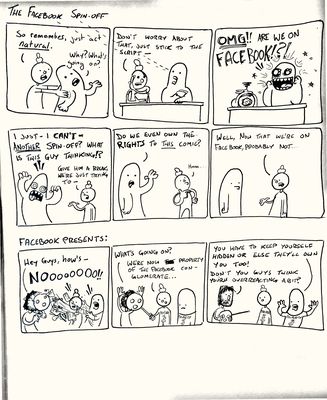
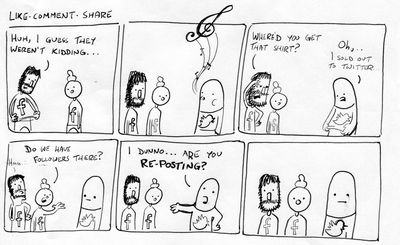
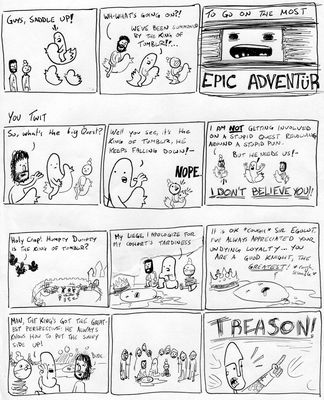
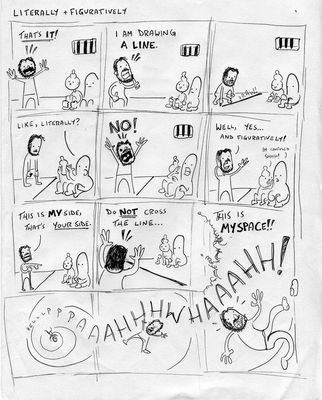
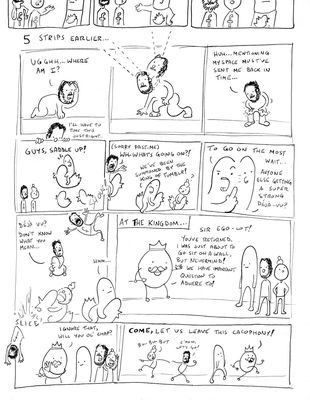
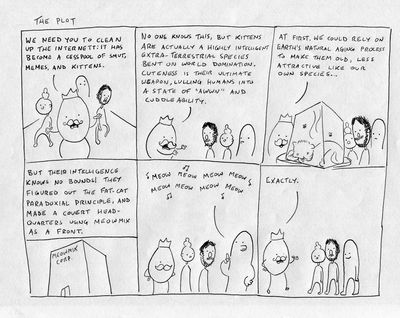
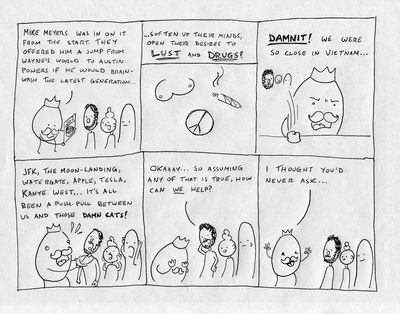
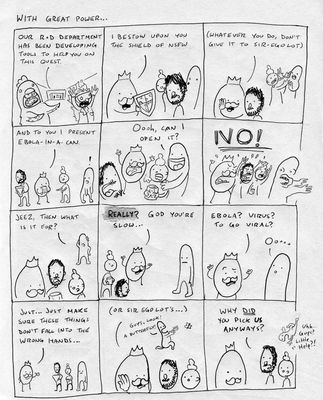
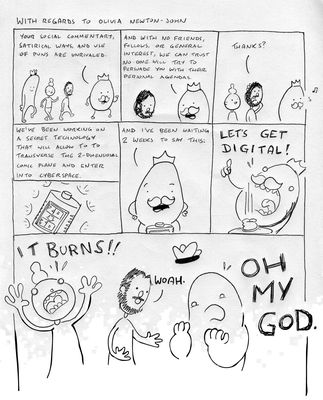
TDA Going Viral 2 (2:31). 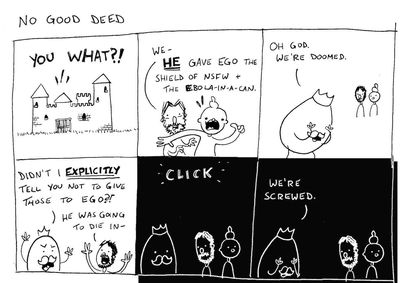
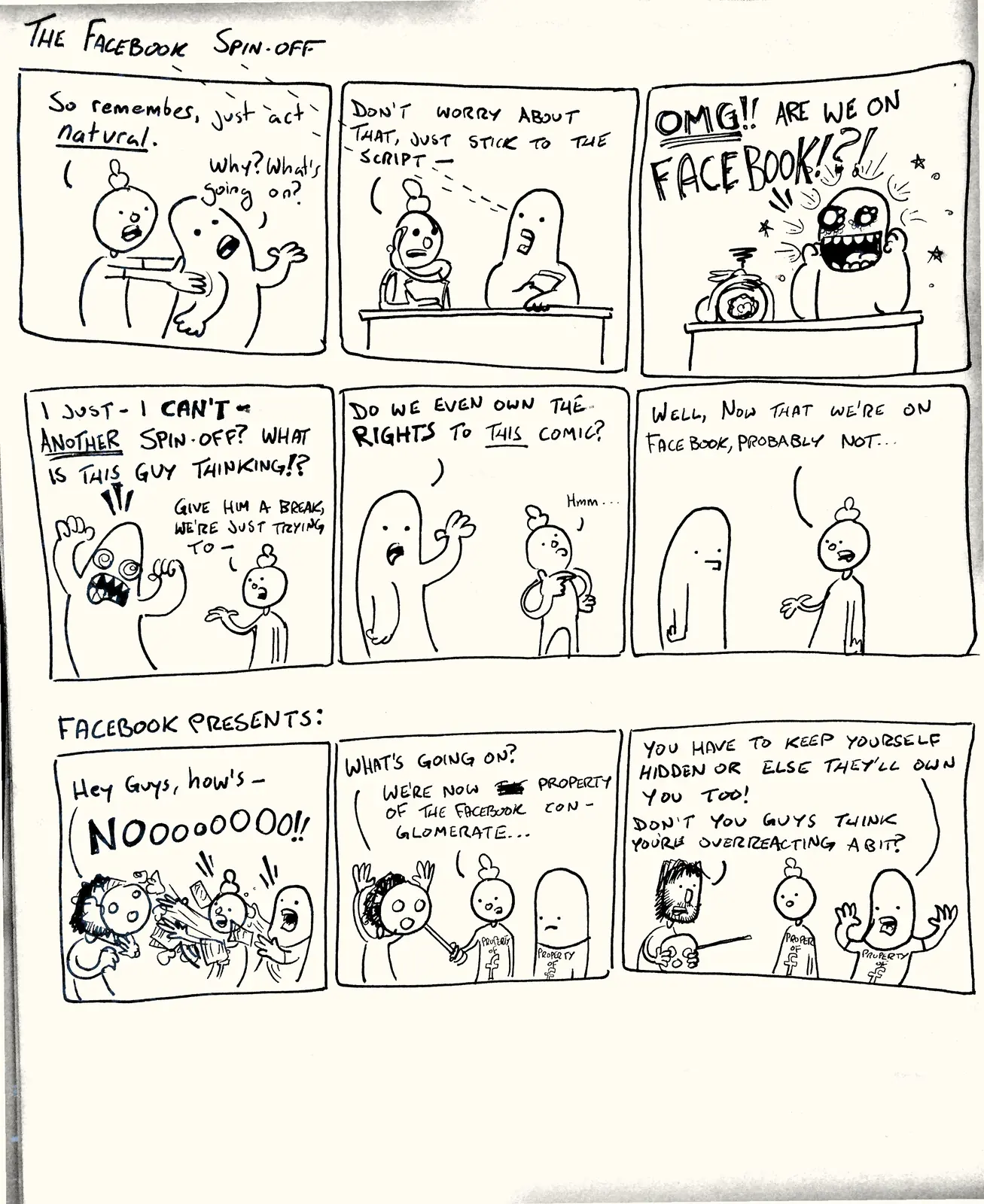
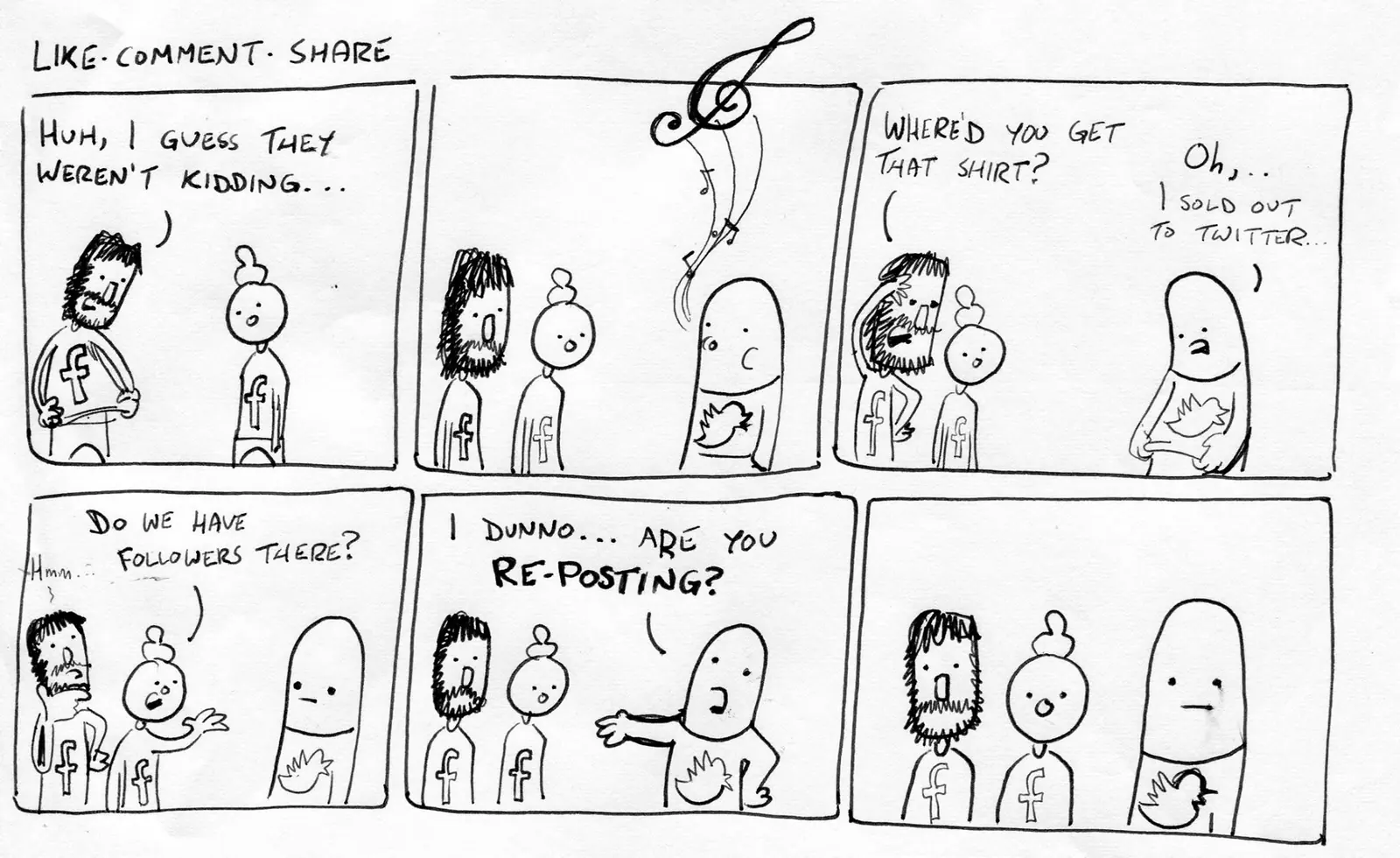
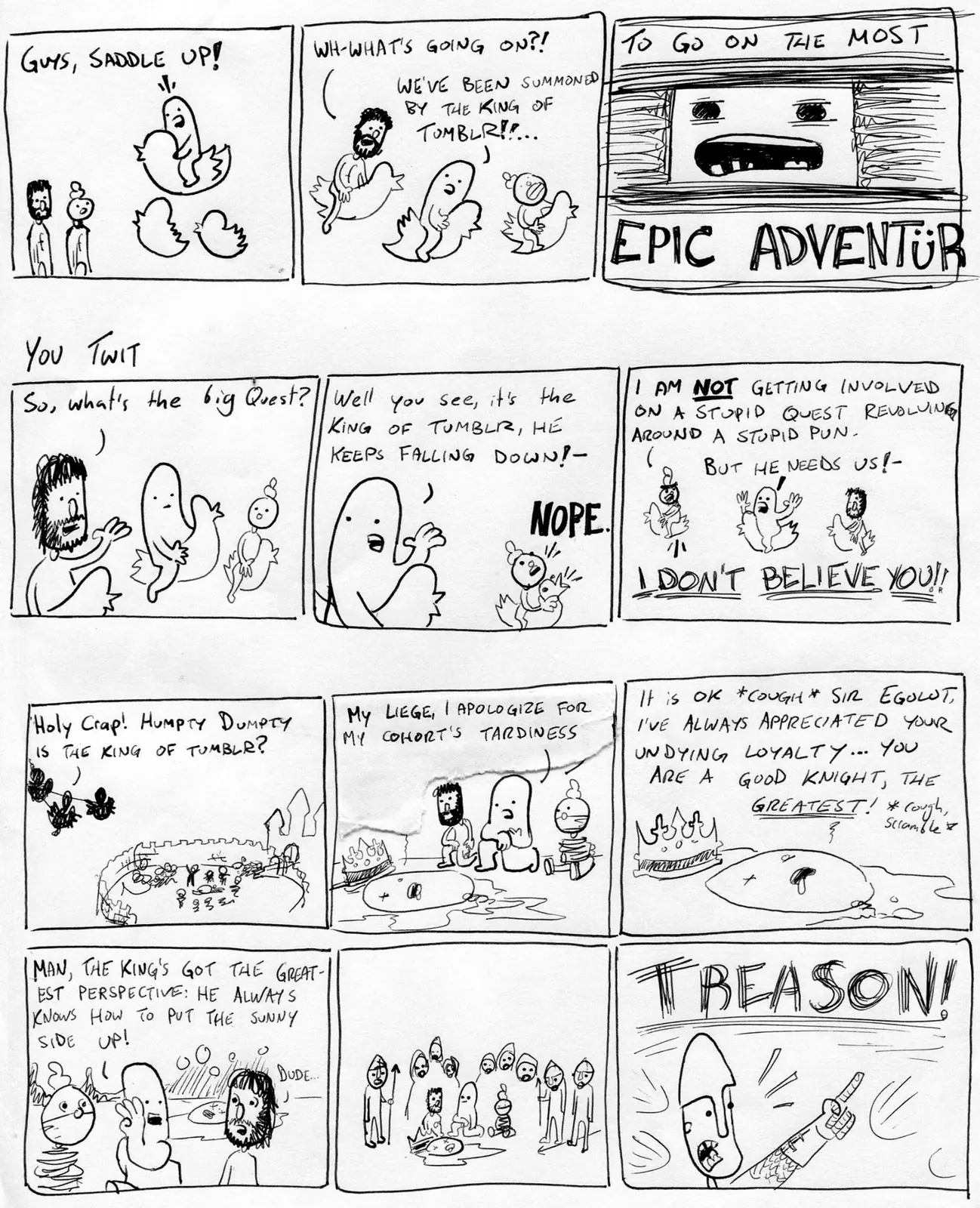
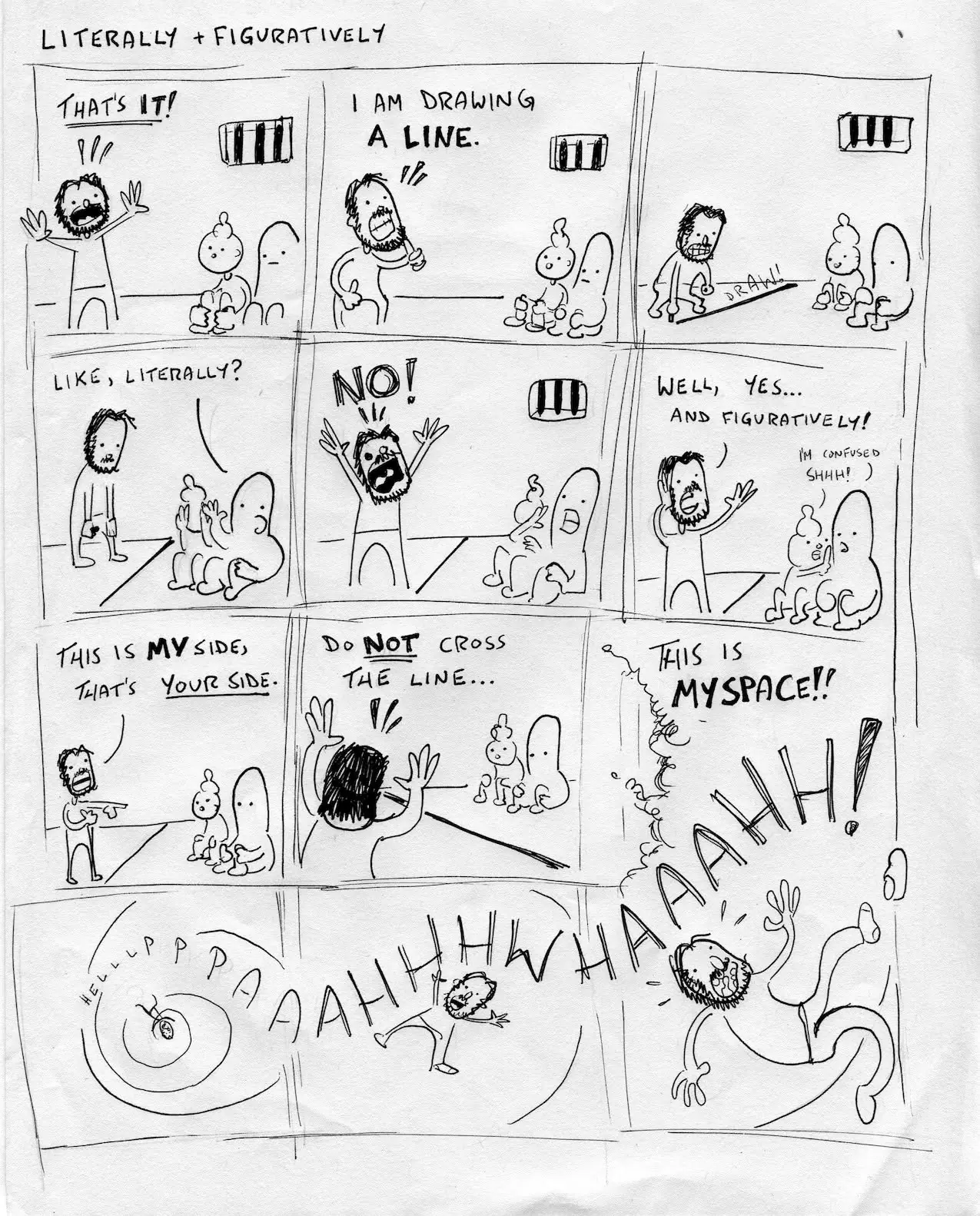
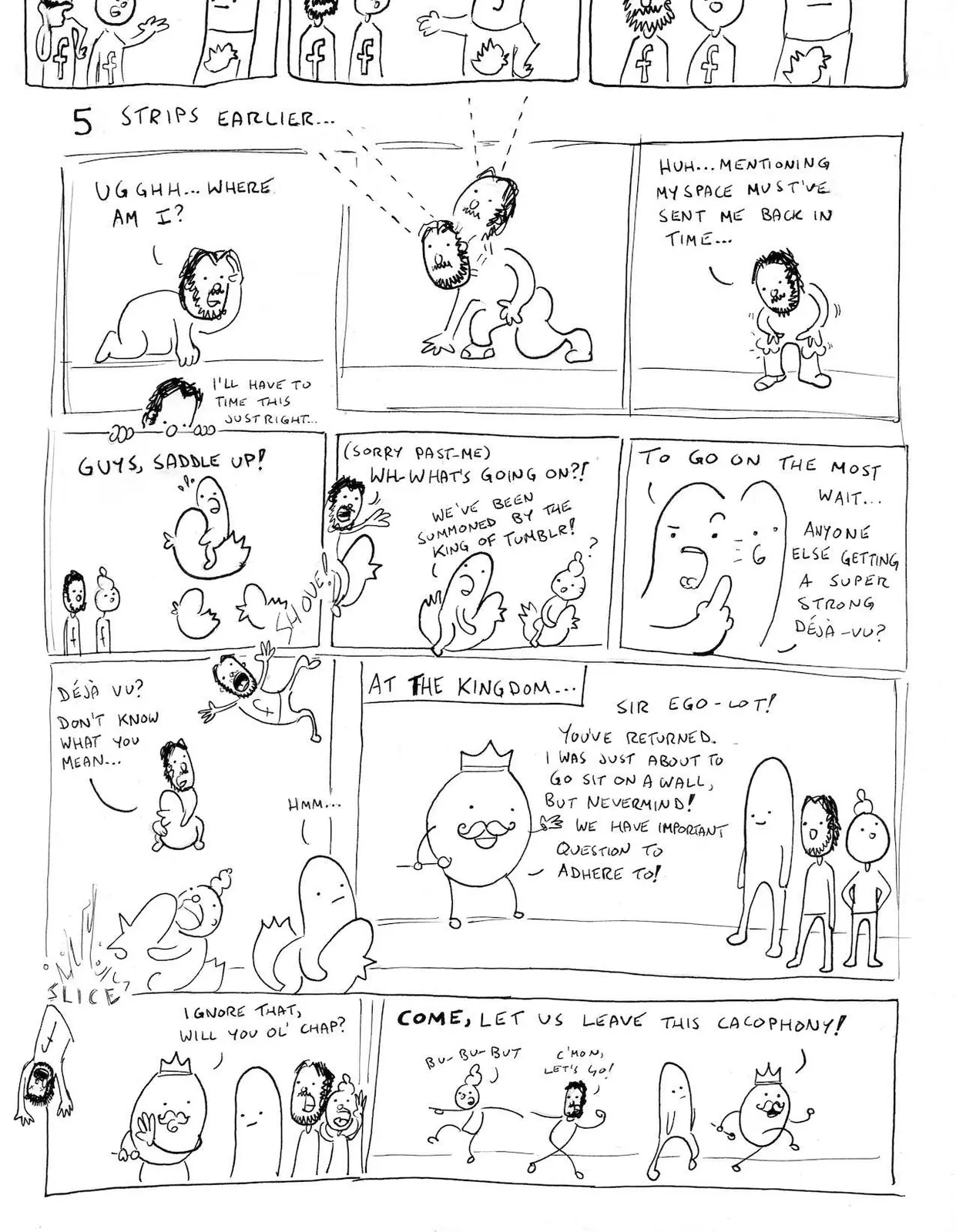
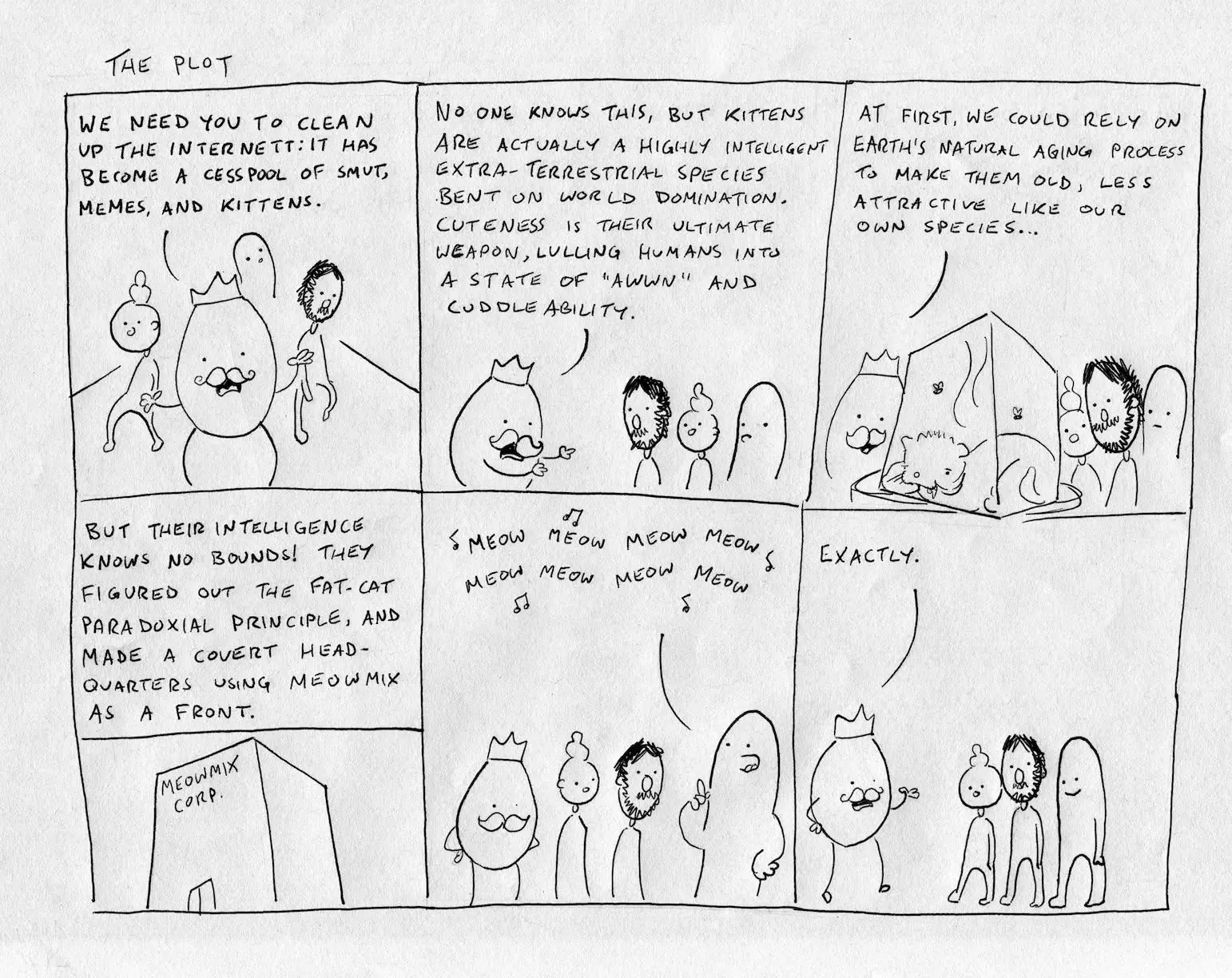
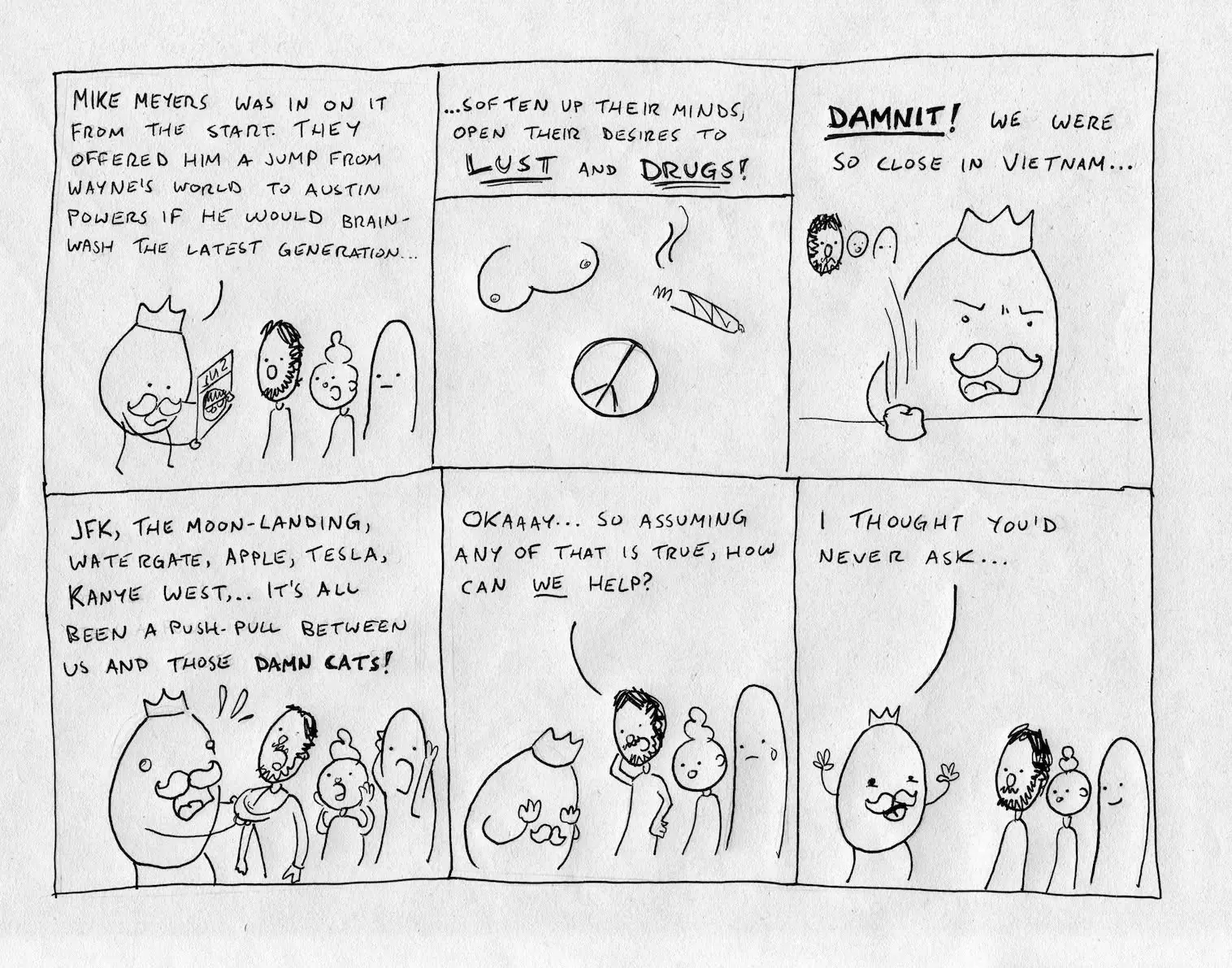
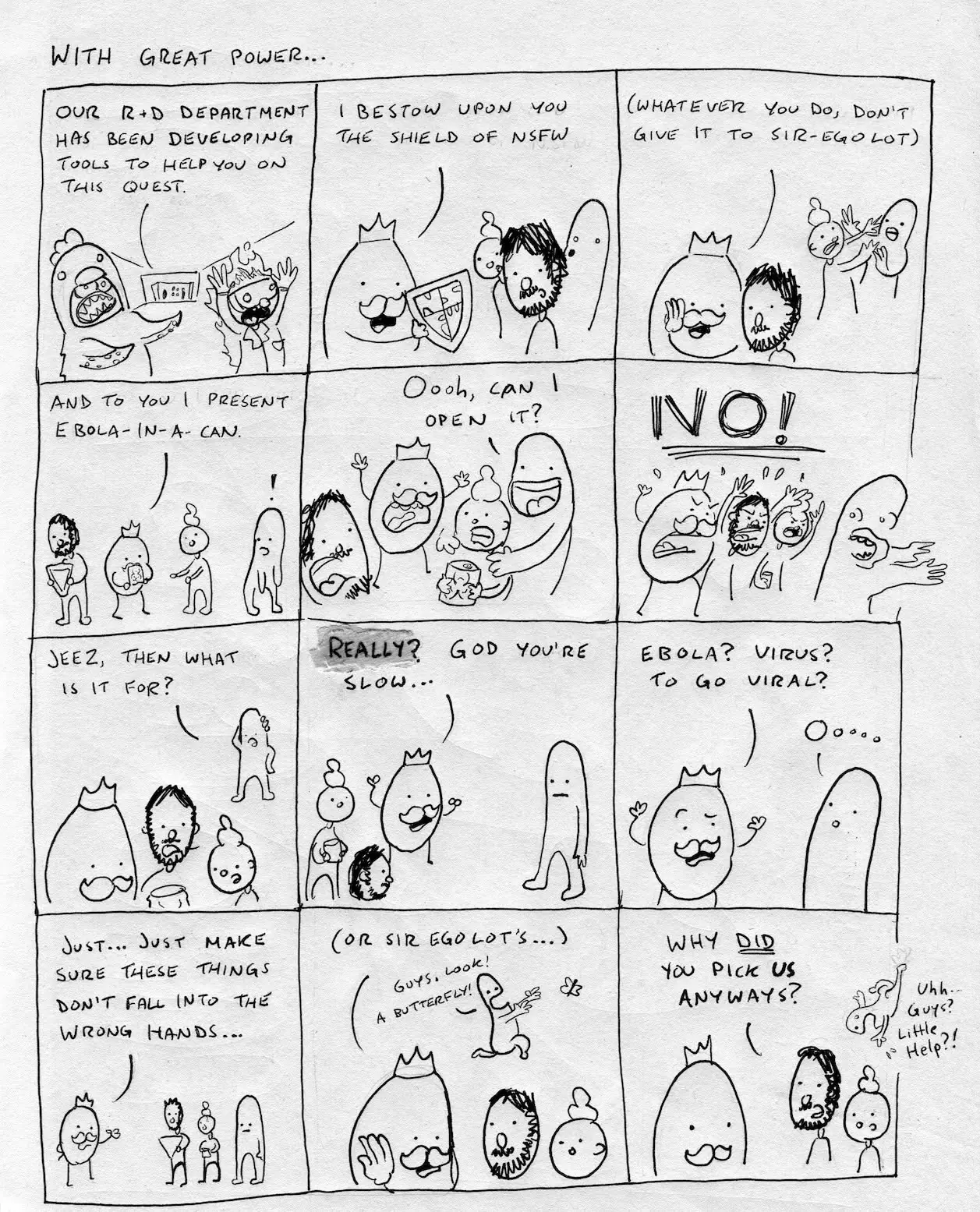
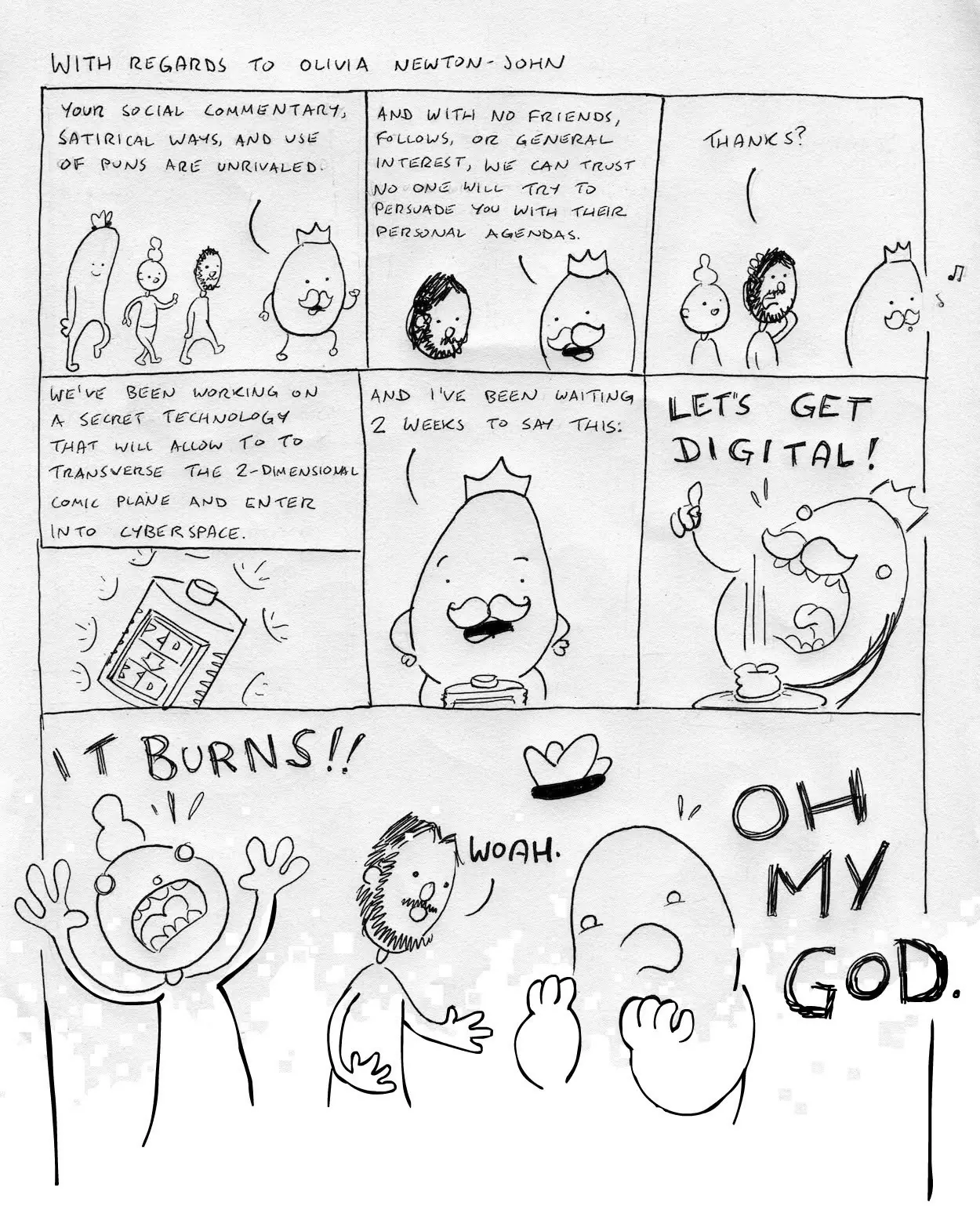
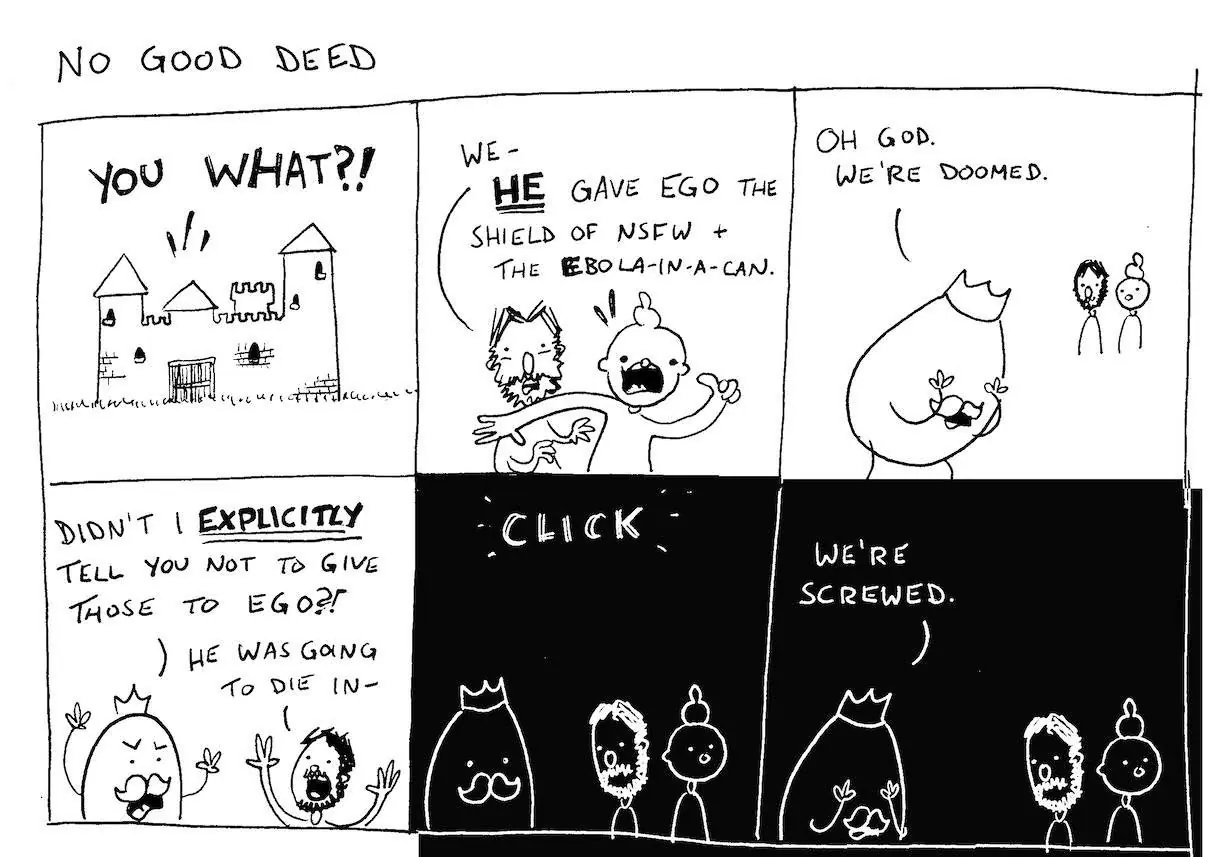

At this point, my ego, now known as Anonymouse, “hacked” my facebook page, and all of my social accounts. He started posting ludicrously, which was the set up for the closing animation and final element of the month-long campaign.

For example, my uncle Mark posted, “Love it! Trade Mark it!”Anonymouse replied, “Anonymouse is above all trademarks! You have been traded, now you are trade-Mark!”

Something epic this way comes.
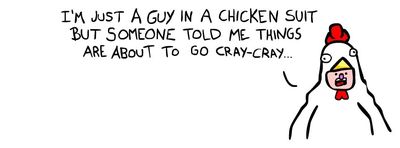
Just a guy in a chicken suit.
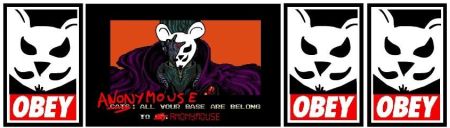
Anonymouse takes over.


The stretch goals
As was common in those days, I set exuberant if not unrealistically lofty stretch goals to get back all the money that was taken from me. I was starting to get my creative mojo back, and the idea of having five years' worth of unreleased work finally see the light of day was enthralling!

I managed to raise over $6,000 (there were a few cheques that weren't counted in the kickstarter total) which was a feat in and of itself. However, Broken Pattern v2.0, B-Sides, and the Randolph Marx trilogy have been waiting very patiently ever since. And even more projects since then!

Some rewards were one-off comics, drawn by hand for backers: custom comics, an ode to figs, and my grandmas Gloria and Viv. See them on the TDA page.


Chapter 4
The Books Arrive!
And then one fateful afternoon, the boxes arrived. Six of them, 100 copies total. 67 pre-sold, and the rest destined to meet their owners over the coming months and years.


Having learnt from my unpleasant experience publishing Broken Pattern through an independent publisher, I took it upon myself to self-publish my magnum opus to my explicit specifications. How much so?
- Designing everything from the front cover to the back, including the spine
- Including reprinting every image at 90% resolution so that even the page numbers were hand-drawn by me
- Paying $100 to get a hardcover proof shipped (against the printer's recommendation!) to make sure everything lined up fine. And it didn't! So I sent in the fixes. Money well spent.
Chapter 5
The In-House (and Backyard) Production Line
There were two tiers for those who pledged to pre-order, so I had to spruce up a bunch of copies with an original touch.
First up: The Stamp of ARTproval


Step two: This Is Not a Coaster
In the original, xerox printed, hand-stapled run of Issue II, This Is Not a Coaster, every issue was hand-stamped with a dirty mug to make the joke resonate and add an original artistic touch. Pulling out all the works on this hard-cover collector's edition, how could I fathom depriving my backers of such authenticity?


Chapter 6
Pack Up and Ship Out!
The last element for the special edition was a handmade, cardboard cover. The original plan was to burn a hole out of the cardboard cover which would frame the inner cover, but the test versions came out poorly. They are still tucked away in my parents' attic. I went with the classic staring at the mirror, my “polished” capital-oriented self staring at the iterations that led up to him. It was a genuine moment of reflection. I was happy with who I was, what I had done, but very much felt like a world-travelling gypsy dressed up, if not locked up, in a shirt and tie. The question had been asked, and soon I would be off looking for the answer.


But, there was still one more thing left to do....

Chapter 7
Go big or go home: the launch party
The Coup de Grâce. For months people had been asking what had happened in India, I gave everyone the same answer: come to the release party, I'll be telling the story once.
I got dressed up with my old launch party coat, and borrowed my dad's top-hat. The turnout was great: friends, family, and friends of my family. I had a bunch of my artwork set up on the walls, the massive styrofoam posters of Issue III.

After a quick nosh, I began the story, and it came out much different than I thought it would. Whereas I pictured myself energized by the spotlight, sharing the story with quips, fanfare, action and laughs, I shared a very serene, if not somber, telling of the tale. You could hear a pin drop throughout. It must've been fifteen if not 20 minutes long. I finished, lowered my head, and was met with applause. I later recounted to my friend that I felt I let the story down, that I missed the chance to turn it into an epic tale. He retorted I had given such a real and genuine exposé. As far as he was concerned, it couldn't have been better.

Thereafter I scuttled to my author's table to hand out a stack of books most people didn't realize they were about to receive. It turns out a lot of people had donated money to the cause just because they knew me. They hadn't been tracking the story, mine or the comic, at all. They were being helpful and generous without expecting to receive anything in return. To this day, I still don't know how many of those pre-sold copies have ever been opened or read.
I spent most of the night inscribing long dedications, filling up the first page of every book. By the time I handed out the last copy, most of the room was empty. Everyone had a great time, but I felt I had missed most of the show. Most of the wine was still corked; the entrées had only been nibbled at. A few friends stuck around for a small jam. I was expecting a party late into the night. Before I knew it, I had everything packed up and I was heading back home, alone, just me and my art, just like I had a few years earlier at the first The Destructive Artist launch party.

It's a weird thing, being an artist. Turning emotion into art is a form of alchemy, and more often than not I feel like the artist is left with his creation. The human connection is strong but brief, and thereafter fleeting until the next chance encounter, sale, or launch party.
It's not easy, and in a way, I guess that's a lot of the message that I try to get out in the book.



The book
Read the thing
All of that, for 136 hand-drawn pages. The Destructive Artist Vol I: Do You Believe in Magic? Digital edition, $15 USD.
